

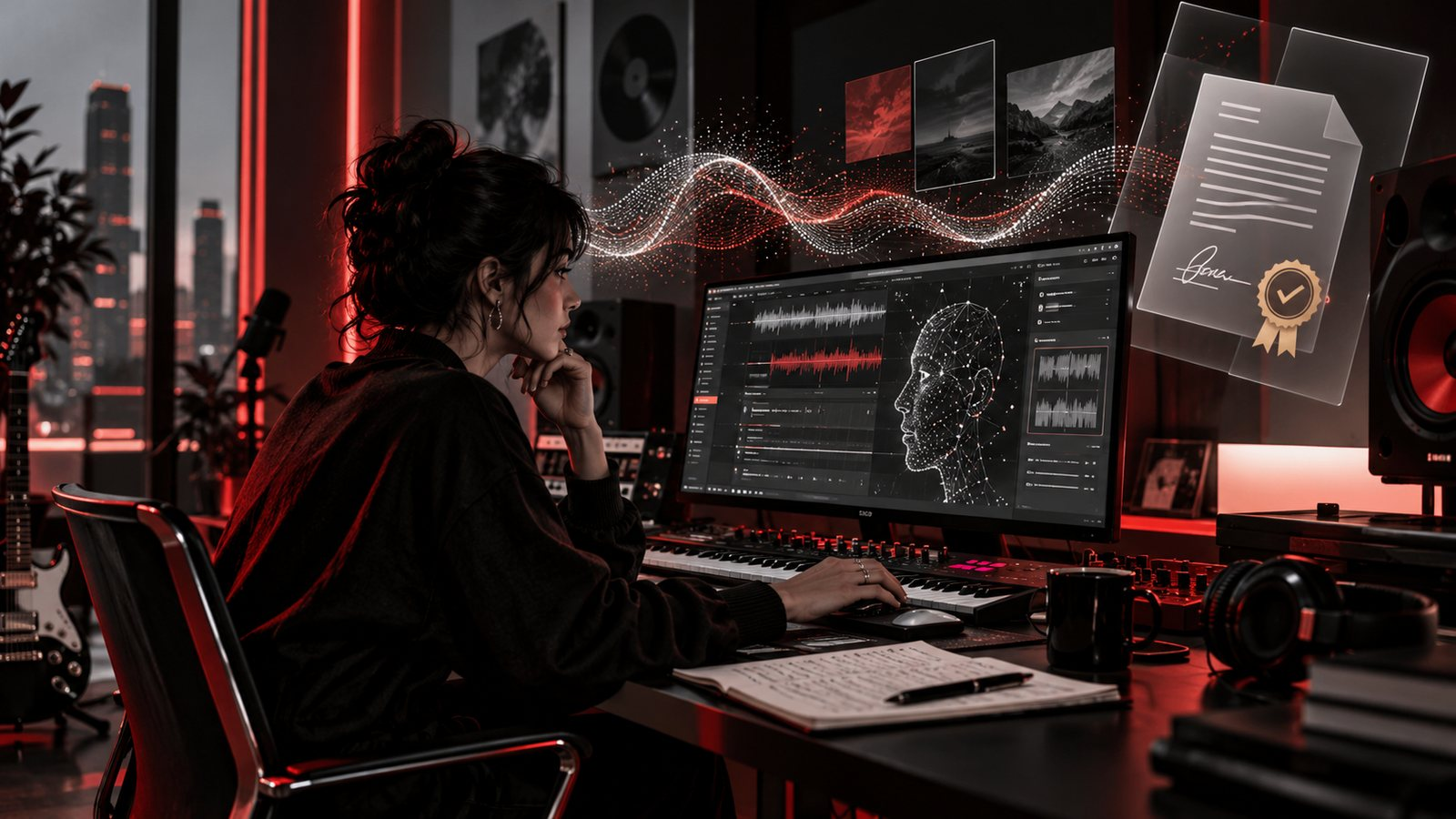
The argument over AI music is entering a new phase. Suno on September 9 launched its v6 family of music-generation models, saying the new systems were developed with music-industry partners including Warner Music Group, BMG and Believe.
The launch matters because the most consequential question around generative music is shifting. The industry is no longer debating only whether AI music tools will exist. Rights holders, technology companies and artists are now fighting over the terms under which those tools can legally learn from, imitate, distribute and monetize music.
Reuters reported that Suno's new lineup includes v6, an advanced subscriber model; v6-Wild, aimed at more experimental creation; and a free v6-mini tier. The company says the licensed era will support artist-centric, opt-in experiences and new compensation opportunities. Music Business Worldwide reported that Suno is retiring its earlier models as the v6 suite launches globally.
That is a sharp change from the legal environment that defined the company's rise. Suno has faced litigation over allegations that copyrighted recordings were used without authorization in training. Warner Music Group later settled with Suno and entered a partnership, while BMG and Believe have also struck agreements with the platform.
From confrontation to negotiated access
The new model is important for independent artists as well as major labels. A licensed system can create a path where participation is voluntary, rules are clearer and revenue can be shared instead of value flowing only to the AI platform. But the details will determine whether that promise becomes meaningful: how artists opt in, what they are paid, how attribution works, whether style imitation is restricted and how generated tracks are identified.
For music creators, the headline is not that the AI controversy is over. It is that the industry is beginning to build commercial structures around technology that only a short time ago was treated primarily as a legal threat.
Amplifier Take: The next stage of AI music will be judged less by whether a model can generate a convincing song and more by whether the business model respects the people whose work makes the system valuable.